Free Web Dev Resources Every Self-Taught Developer Should Bookmark
A handpicked list of completely free web dev resources — MDN, freeCodeCamp, The Odin Project, Frontend Masters samples, and dozens more — that took thousands of self-taught devs from zero to hired.
February 23, 2026 · 5.4K views

Table of Contents (8)
Why Free Web Dev Resources for the self-taught developer Matters Right Now
If you spend any time around developer Twitter or read the changelogs of major frameworks, you have probably noticed that Web Dev Resources is one of the most active areas of the industry. The pace of change makes it tempting to skip the fundamentals and chase whatever is trending today. That is a mistake.
This guide gives you a calm, opinionated overview of Web Dev Resources in 2026: the patterns that have proven themselves, the new ideas worth your attention, and the traps that catch teams who move too fast.
By the end you will be able to:
- Explain the core concepts of Web Dev Resources to a teammate
- Choose the right tools for your project's constraints
- Skip three or four months of trial and error
The Modern Landscape of Web Dev Resources
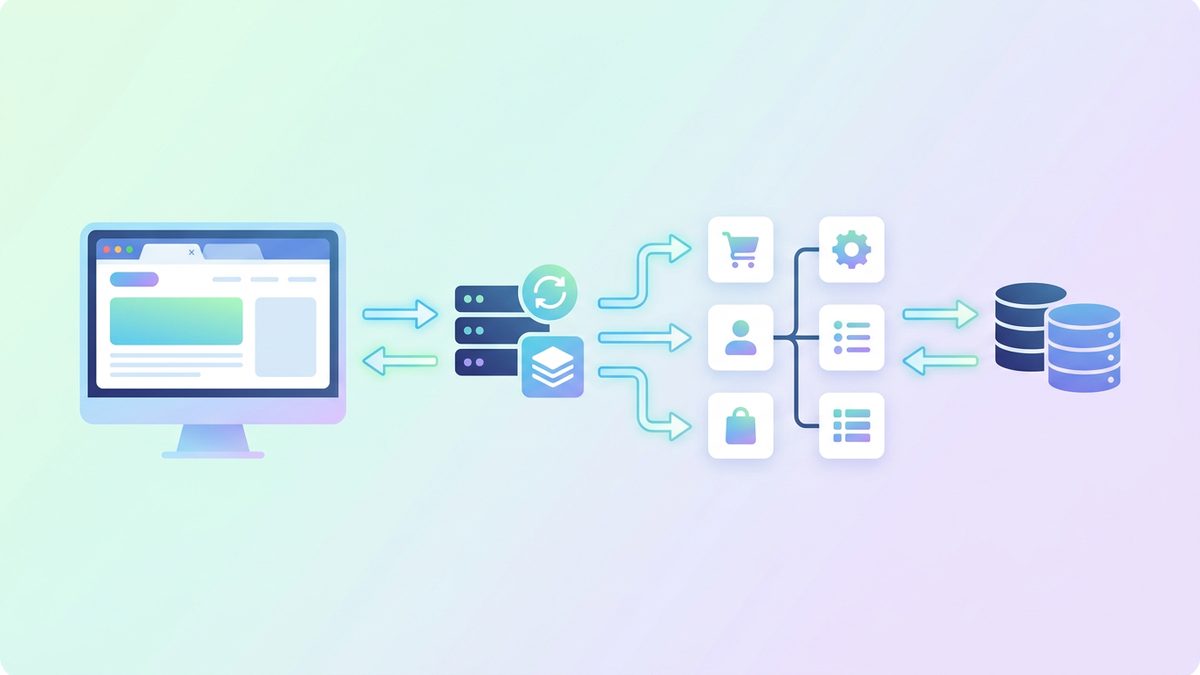
Let us start with a map. The Web Dev Resources space is shaped by three forces: the underlying platforms (browsers, runtimes, operating systems), the tooling (compilers, bundlers, frameworks), and the culture (best practices, social norms, hiring trends).
Right now in 2026 these forces line up like this:
- Platforms are converging. The browser is more capable than ever; modern phones run code that used to be the exclusive domain of laptops; edge runtimes blur the line between client and server.
- Tooling has become opinionated. Frameworks ship with sane defaults so teams stop arguing about config. Build times are measured in milliseconds, not minutes.
- Culture is moving toward simplicity. After a decade of complexity arms race, "boring tech" is back in fashion. Reliability, accessibility, and performance now beat novelty in serious teams.
Core Concepts You Cannot Skip
There is a small set of ideas that, once internalized, make every other concept in Web Dev Resources click into place. We will cover the most important ones here.
1. Separation of concerns. Every well-designed system in Web Dev Resources draws clear lines between data, logic, and presentation. When the lines blur, complexity explodes.
2. Composition over inheritance. You build complex behavior by composing small, focused units, not by extending giant base classes. This is true at every layer — components, services, modules.
3. Explicit data flow. Mystery state is the source of most bugs. Make it boring: pass data through clearly named props, parameters, or events. Future you will thank present you.
4. The right boundary is "what changes together stays together." Group code by feature, not by technical role. A users/ folder beats parallel controllers/, services/, models/, views/ folders for almost every project under 100k lines.
5. Performance is a feature. A 100ms improvement in p95 latency moves business metrics in measurable ways. Treat performance like a first-class requirement, not a nice-to-have.
A Practical Recipe
Here is a recipe you can apply to almost any project in Web Dev Resources today:
- Start with the requirements — not the framework. Write down the three most important things your software must do.
- Pick the smallest stack that satisfies the requirements — every line of code is a liability.
- Set up the boring fundamentals first — version control, CI, tests, error tracking, logs. These pay compounding dividends.
- Write code that a smart, tired colleague can read at 3am. Optimize for clarity. The clever one-liner is rarely worth it.
- Ship something to real users in week one. Feedback from production beats six months of internal review.
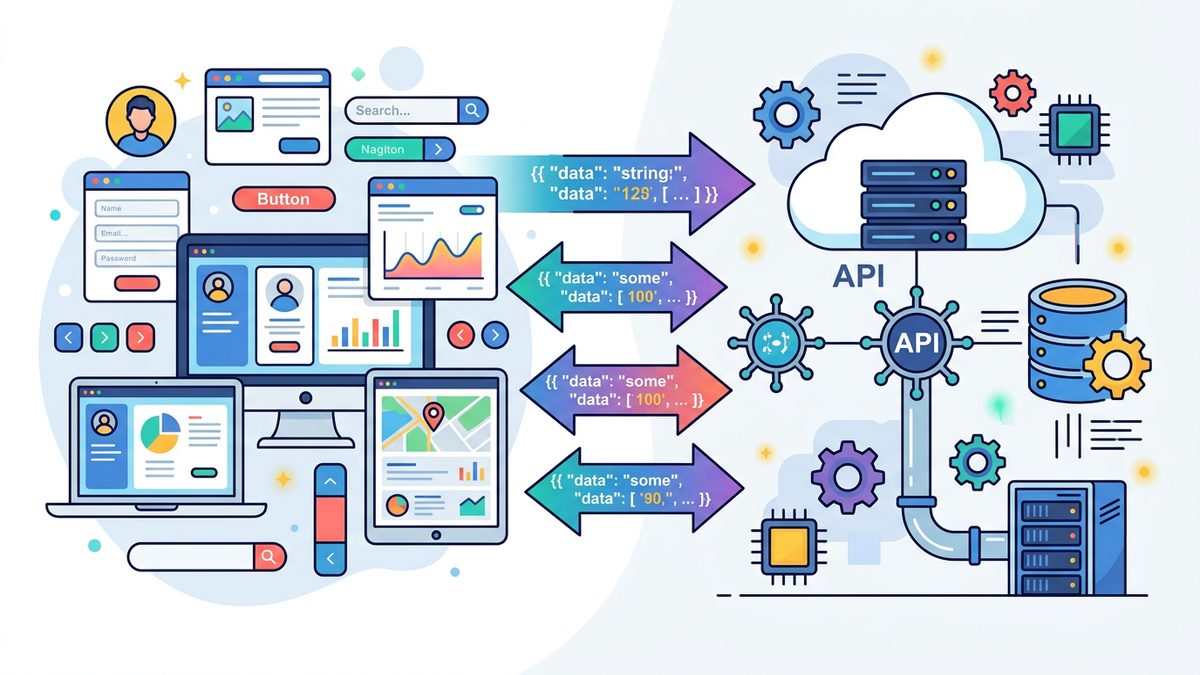
// A tiny example showing the kind of clarity we are aiming for
type Result = { ok: true; value: T } | { ok: false; error: string };async function fetchUser(id: string): Promise> {
  try {
    const res = await fetch(/api/users/${id});
    if (!res.ok) return { ok: false, error: HTTP ${res.status} };
    return { ok: true, value: await res.json() };
  } catch (e) {
    return { ok: false, error: (e as Error).message };
  }
}
This is not the cleverest code in the world, but it is the kind that survives a year of production traffic without surprising anyone.
Pitfalls and Anti-Patterns
After watching dozens of teams work in Web Dev Resources, the same mistakes keep showing up:
- Premature abstraction. Three call sites is the right number to extract a function. Two is usually too few.
- Framework worship. A great team using a mediocre framework will outperform a mediocre team using a great framework, every time.
- Resume-driven development. Picking technologies because you want them on your CV is a tax your customers pay.
- Skipping observability. Logs, metrics, and traces are not optional. The first time production breaks at 2am will convince you.
- Ignoring accessibility, performance, and security until the end. These are constraints, not features. Bake them in from day one.
Tools and Resources
You do not need a 50-tool stack. The following is a minimal kit that covers 95% of Web Dev Resources work in 2026:
- A modern editor with strong language support — VS Code, Cursor, or JetBrains
- Git plus a CI you actually trust — GitHub Actions or GitLab CI
- Type-safety wherever possible — TypeScript, Kotlin, Swift, Python with type hints
- A test framework with good DX — Vitest, Jest, Pytest, XCTest
- An error tracking and metrics service — Sentry, Honeycomb, Grafana Cloud
Mastering this small kit is more valuable than dabbling in twenty tools.
What to Read Next
If this article was useful, here is what we recommend exploring next:
- The official documentation for the main tools in your stack — read it once front to back.
- One canonical book in your area (such as Designing Data-Intensive Applications, Refactoring, or Code That Fits in Your Head).
- Two or three engineering blogs from teams you admire. Pick ones that publish post-mortems, not just success stories.
Conclusion
Web Dev Resources is not magic and it is not trivial. The teams that ship the best software in 2026 are the ones who master the fundamentals, choose the smallest stack that solves the problem, and ship to production early. Do that consistently and you will outperform colleagues who chase every new trend. The boring path is, as usual, the fast one.
Share this article
Written by
AdminThe Topdevguide editorial team — covering AI, software development, and tech career trends across the USA & Australia.